


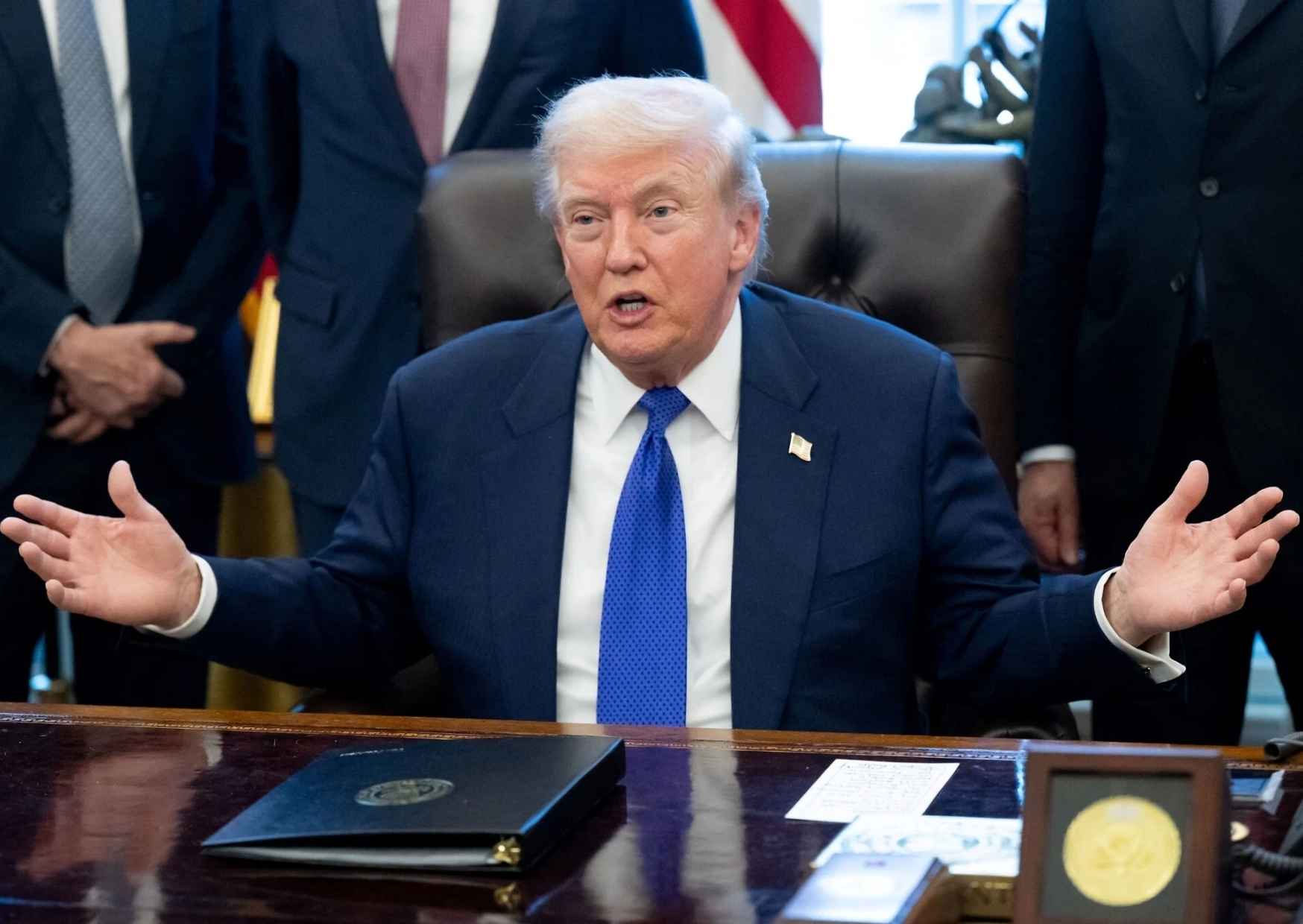
Washington, United States – US President Donald Trump has delivered a sharp warning that “bad things” could occur if the United States and Iran fail to reach an agreement, as renewed diplomatic efforts begin to revive stalled nuclear negotiations.
Trump’s remarks come at a sensitive moment, with both Washington and Tehran signalling cautious readiness to return to the negotiating table amid rising regional tensions and growing international concern over Iran’s nuclear programme.
Speaking to reporters, Trump said he hoped a deal could still be achieved, but stressed that time was limited and the consequences of failure could be serious. His statement has added a new layer of urgency to talks that many analysts view as critical for preventing further escalation in the Middle East.
Diplomatic Talks Expected Soon
International media reports suggest that officials from both sides are preparing for discussions in Istanbul later this week. The meeting is expected to involve senior Iranian representatives, including Foreign Minister Abbas Araghchi, and US envoy Steve Witkoff.
The talks are reportedly being facilitated through regional diplomatic channels, with countries such as Turkey, Qatar, Oman and Egypt playing supportive roles in encouraging dialogue between the two long-time rivals.
Observers say the upcoming discussions may represent one of the most significant opportunities in recent months to ease tensions and avoid confrontation.
Nuclear Concerns Remain at the Core
The central issue remains Iran’s nuclear activities, which Western governments believe could potentially lead to the development of nuclear weapons — an allegation Tehran has consistently denied, insisting that its programme is solely for peaceful purposes.
Trump has repeatedly stated that any agreement must include strict limits on Iran’s uranium enrichment and greater transparency regarding its nuclear facilities.
Tehran Signals Willingness but Stands Firm
Iranian leaders have expressed openness to diplomacy, provided the talks respect Iran’s sovereignty and national interests. President Masoud Pezeshkian and other officials have maintained that Iran prefers negotiations but would respond firmly to any foreign aggression.
While Trump’s warning did not explicitly mention military action, analysts note that the language reflects heightened geopolitical pressure, especially with increased US naval deployments in the Gulf and ongoing instability across the region.
Regional Stakes High
The outcome of the Istanbul talks could have far-reaching implications not only for US-Iran relations but also for broader regional security, global oil markets and international diplomacy.
As both sides prepare for negotiations, the world watches closely to see whether diplomacy can prevail or whether tensions will deepen further.
This story has been reported by PakTribune. All rights reserved.