


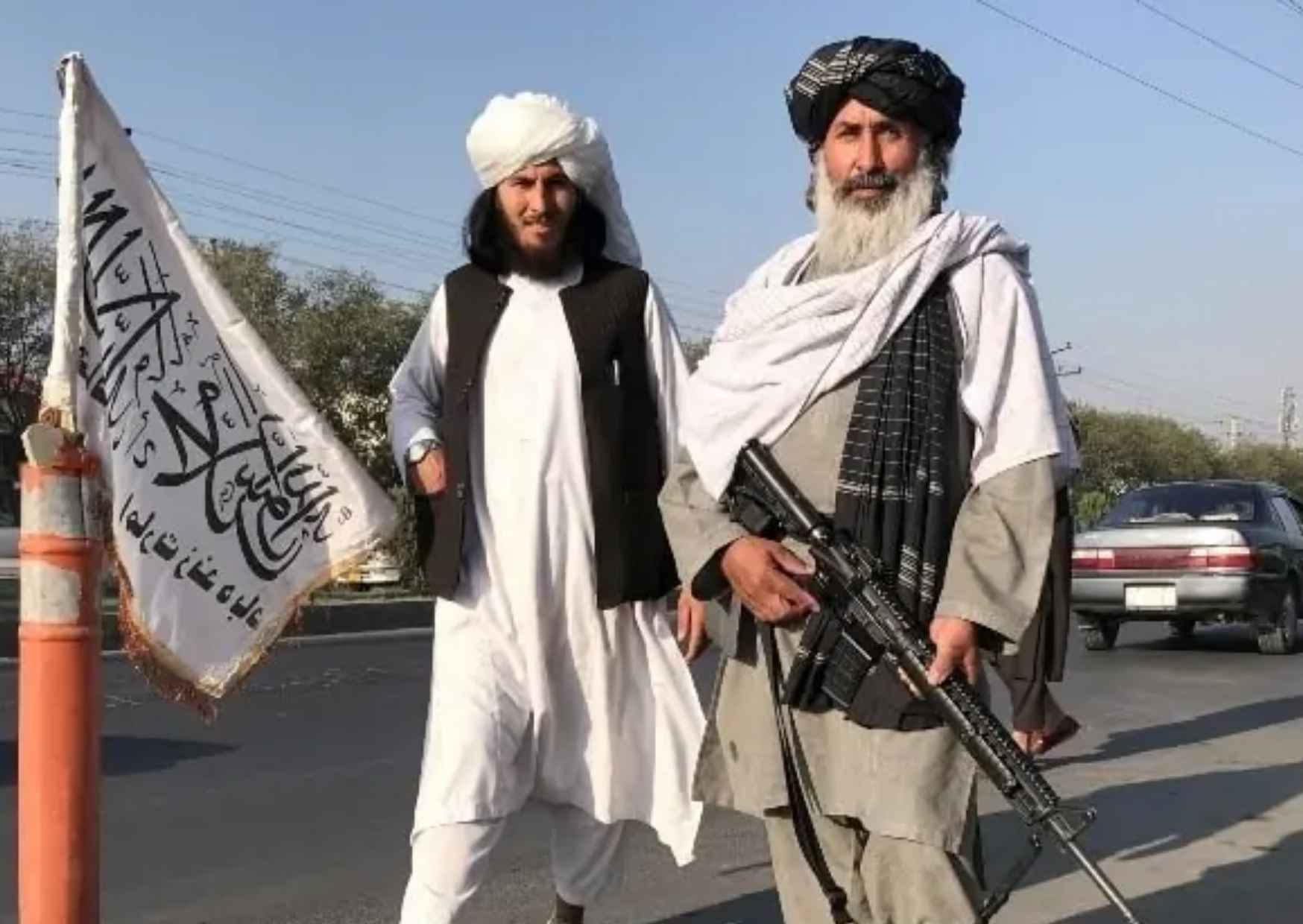
Kabul – A speech attributed to Taliban supreme leader Hibatullah Akhundzada has laid bare internal differences within Afghanistan’s ruling movement, highlighting a growing divide between power centres in Kandahar and Kabul and raising questions about the future direction of Taliban governance.
The remarks, delivered during a closed-door address in Kandahar and later circulated among officials, reflect unease at the top of the Taliban leadership over internal cohesion. Observers say the tone and substance of the speech underline tensions between hardline figures clustered around Kandahar and a comparatively pragmatic group operating from Kabul.
The Kandahar-based leadership, closely aligned with Akhundzada, is widely seen as favouring a rigid interpretation of governance rooted in strict religious doctrine. This faction has been behind some of the most restrictive policies introduced since the Taliban’s return to power, including limits on women’s education and public life, tighter social controls and minimal engagement with the international community.
In contrast, officials based in Kabul are believed to be pushing for a more flexible approach, arguing that economic survival and international legitimacy require selective engagement with foreign governments and institutions. While still committed to the Taliban’s core ideology, this group reportedly supports easing certain restrictions to stabilise the economy and reduce Afghanistan’s diplomatic isolation.
The divide has reportedly manifested itself in policy implementation, with instances where directives issued from Kandahar were either delayed or quietly diluted in Kabul. Such developments are notable within a movement that has historically enforced strict internal discipline and discouraged open dissent.
Taliban representatives, however, have publicly dismissed suggestions of a serious rift, insisting that differences of opinion are natural within any governing structure and do not threaten unity. They maintain that decision-making remains centralised and that loyalty to the leadership is intact.
Political analysts believe the emerging Kandahar–Kabul divide reflects broader challenges facing the Taliban as they attempt to transition from an insurgent movement to a functioning government. The balance between ideological rigidity and administrative pragmatism, they say, will shape Afghanistan’s internal stability, economic recovery and regional relations in the months ahead.
As Afghanistan continues to grapple with economic hardship and international isolation, the way these internal dynamics unfold could prove decisive for the country’s political and social trajectory.
This story has been reported by PakTribune. All rights reserved.