


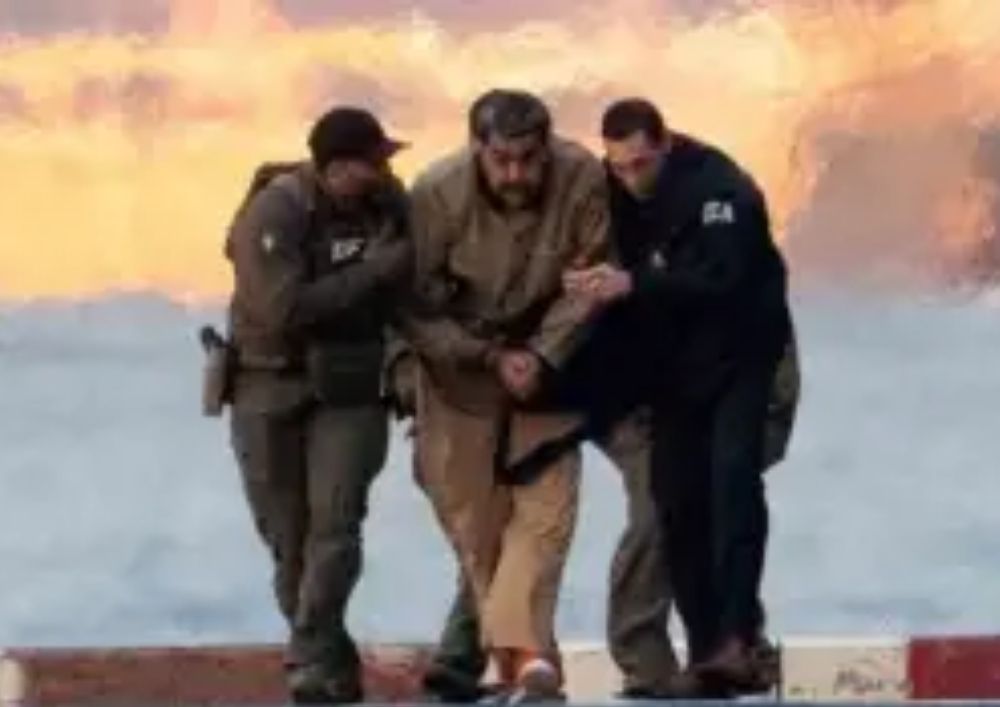
Washington — The dramatic ouster of Venezuela’s President Nicolás Maduro by United States forces has reignited debates over regime-change politics worldwide, raising questions about national sovereignty, international law, and the growing assertiveness of major powers in shaping political outcomes abroad.
The recent operation, in which Maduro was removed from power and publicly escorted to US territory, has drawn both criticism and concern from observers around the world. Analysts argue that the spectacle reduced the head of a sovereign nation to what many describe as a “political trophy,” underscoring a stark exercise of power in a manner rarely seen in contemporary diplomacy.
According to political commentators, this episode represents a clear revival of regime-change strategies, reminiscent of interventions during the Cold War but now driven more openly by strategic and economic interests rather than ideological battles. Venezuela’s vast oil reserves and its position in Latin America have made it a focal point of US geopolitical priorities, critics say.
The editorial also highlighted the muted international response, noting that organizations like the United Nations and several global powers have been slow to condemn the action decisively. This, experts warn, underscores the unequal application of international norms and the vulnerability of smaller states in a world dominated by strategic interests of powerful nations.
Historically, the United States has engaged in interventions across Latin America under various pretexts, but the latest episode demonstrates a more blunt and unapologetic approach to reshaping foreign leadership. Analysts caution that such actions set a dangerous precedent for the erosion of sovereign rights and the undermining of multilateral frameworks designed to prevent unilateral interference.
The editorial concludes that the resurgence of overt regime-change tactics is a wake-up call for the global community. It stresses the need for firm, consistent defense of sovereignty and international law, warning that ignoring such interventions could embolden similar actions elsewhere, destabilizing the global order.
As Venezuela and the international community digest the consequences, the world watches closely, recognizing that the balance of power and respect for sovereignty may once again be under threat in an era of renewed geopolitical assertiveness.
This story has been reported by PakTribune. All rights reserved.