


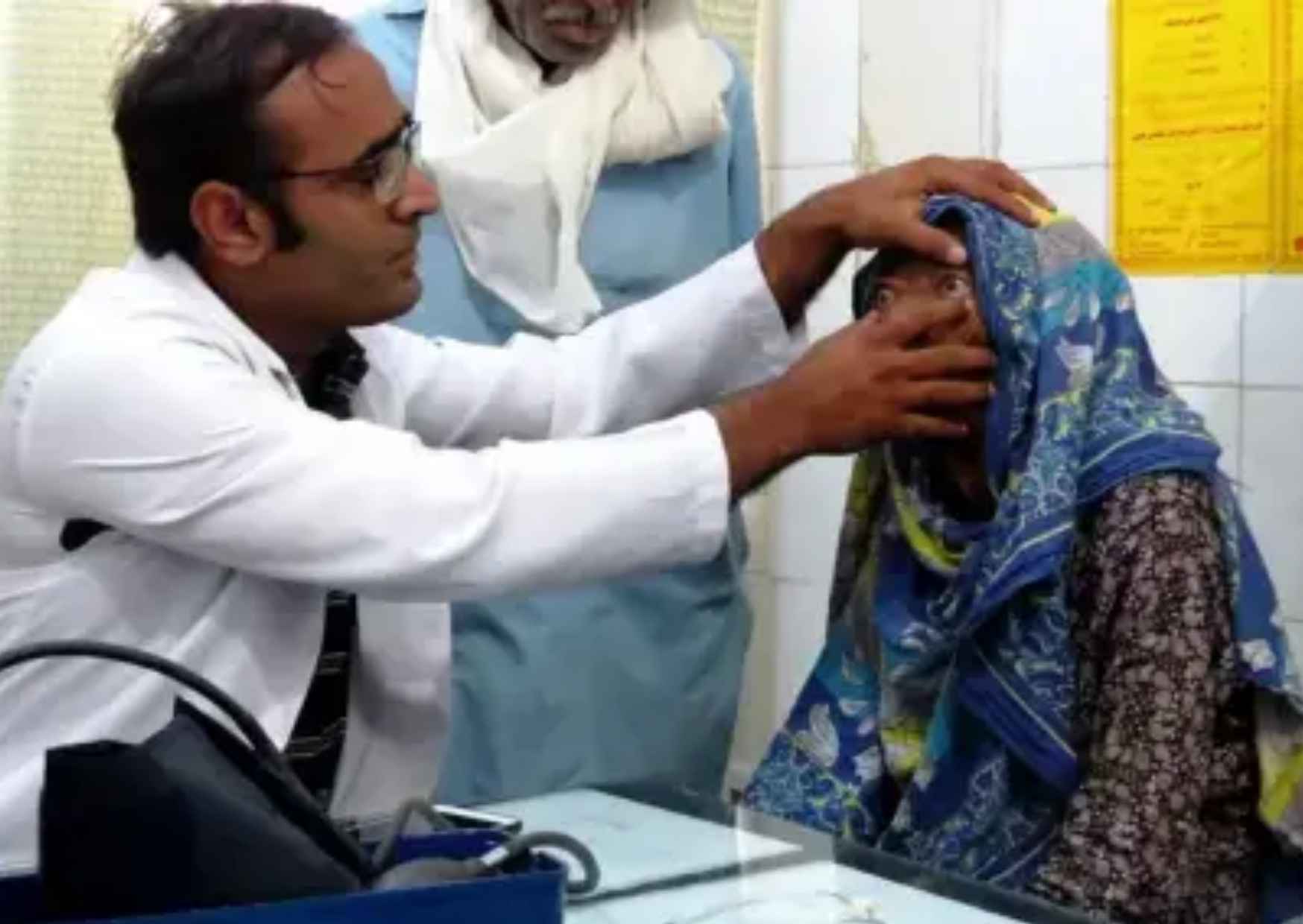
Lahore – A patient feedback report has exposed troubling gaps in service delivery at Punjab’s major public-sector teaching hospitals, revealing that a significant number of patients are being denied free medicines while many others complain of unsatisfactory treatment by medical staff.
According to the findings compiled by the Chief Minister’s Special Monitoring Unit (SMU), 36 per cent of patients surveyed said they did not receive free medicines during treatment at government hospitals, forcing them to purchase drugs from private pharmacies. Additionally, 31 per cent of respondents reported poor or indifferent treatment by duty doctors, highlighting concerns over professional conduct and patient care standards.
The report, based on feedback from nearly 2,000 patients, identifies Mayo Hospital Lahore as the facility with the highest number of complaints. Other hospitals frequently mentioned include Jinnah Hospital Lahore, Nishtar Hospital Multan, Shaikh Zayed Hospital Rahim Yar Khan, and Sahiwal Teaching Hospital, all of which play a critical role in providing tertiary healthcare to large populations.
Beyond medicine shortages and clinical care, patients also raised issues related to rude staff behaviour, excessive waiting times, unavailability of beds, extra charges for laboratory tests, and malfunctioning medical equipment. Complaints were also directed at hospital administration, with some patients reporting difficulties due to incorrect contact information recorded during admission, limiting follow-up and accountability.
Health officials say the feedback exercise is part of a broader effort to improve transparency and responsiveness in public healthcare institutions. The SMU’s report has been submitted to Punjab Chief Minister Maryam Nawaz and shared with senior health authorities, including the provincial health minister and secretary, for immediate review and remedial action.
Experts warn that the failure to consistently provide free medicines undermines the core purpose of public hospitals, particularly for low-income patients who rely almost entirely on government facilities for treatment. Persistent shortages, they argue, not only increase out-of-pocket expenses but also erode public trust in the healthcare system.
As authorities examine the report and consider corrective measures, patients and healthcare advocates alike are calling for stricter oversight, better resource management and improved training to ensure that public hospitals deliver affordable, respectful and reliable care to all.
This story has been reported by PakTribune. All rights reserved.