


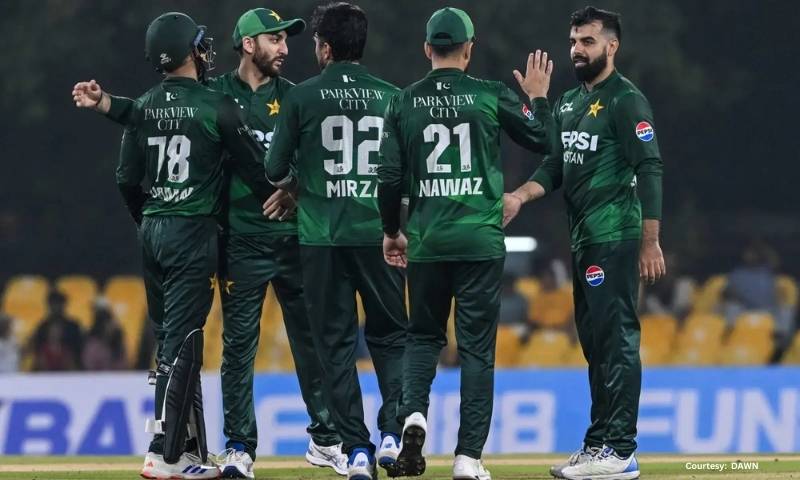
Pakistan’s decision to boycott its T20 World Cup match against India has sparked widespread reaction from cricketers, politicians, and public figures, with many framing the move as a stand based on principle rather than commercial gain.
Several former and current cricketers backed the decision, arguing that sporting engagements cannot be separated from broader political and ethical considerations. They stressed that while matches between Pakistan and India attract massive global audiences and generate significant revenue, national dignity and principles must take precedence over financial incentives.
Political leaders also weighed in, describing the boycott as a message that Pakistan would not compromise on core issues for the sake of entertainment or profit. Supporters of the move said it reflected public sentiment and demonstrated that sport should not be used to normalise unresolved disputes and tensions.
Others acknowledged the economic and sporting impact of the decision but maintained that certain circumstances require difficult choices. They noted that Pakistan–India matches are among the most lucrative fixtures in world cricket, yet argued that the value of such games diminishes when political realities are ignored.
Critics of the boycott, however, warned that withdrawing from high-profile matches could isolate Pakistan within international cricket and deprive fans of marquee contests. Some analysts suggested that sports diplomacy has historically served as a bridge during tense periods and questioned whether disengagement was the most effective approach.
Despite differing opinions, the debate has reignited discussions about the intersection of sports, politics, and ethics. Observers say the reactions reflect a broader divide over whether international sport should remain insulated from political disputes or be used as a platform for protest and principle.
As the T20 World Cup progresses, Pakistan’s stance continues to dominate conversation both on and off the field, underscoring how deeply cricket remains intertwined with national identity and political expression.
This story has been reported by PakTribune. All rights reserved.