


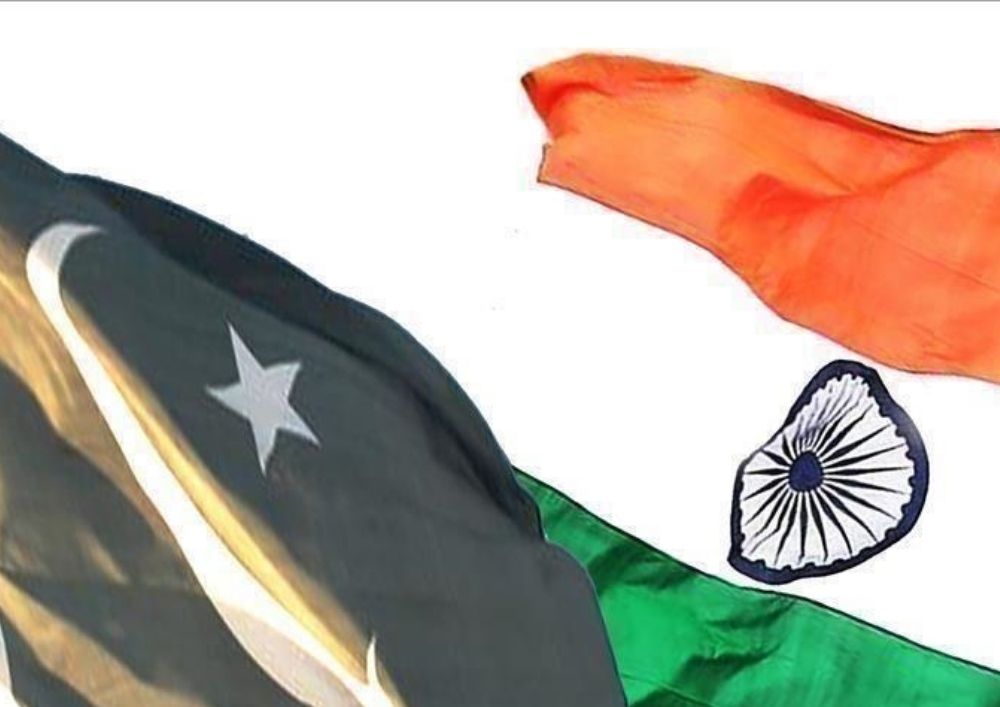
Islamabad – Persistent rivalry between Pakistan and India remains the most significant obstacle in transforming the South Asian Association for Regional Cooperation (Saarc) into a vibrant and effective regional body, as political tensions continue to overshadow collective economic and developmental objectives across South Asia.
Established in 1985, Saarc was envisioned as a platform to promote regional cooperation in areas such as trade, poverty alleviation, development and people-to-people connectivity. However, despite its broad mandate and the shared challenges faced by member states, the organisation has struggled to produce meaningful results. Analysts widely attribute this stagnation to strained relations between Pakistan and India, whose bilateral disputes have repeatedly stalled collective decision-making.
Diplomatic breakdowns and periodic crises between Islamabad and New Delhi have paralysed Saarc’s institutional mechanisms, most notably through the indefinite postponement of its summits. The last Saarc summit was held in 2014, and subsequent attempts to revive the forum have failed, raising questions about the bloc’s relevance in a rapidly evolving regional and global landscape.
Experts note that Saarc’s consensus-based framework makes it particularly vulnerable to political deadlock. While smaller member states have consistently expressed support for reinvigorating the organisation, progress on key initiatives — including trade liberalisation, regional connectivity and coordinated responses to climate change and public health challenges — remains elusive due to the lack of cooperation between the two largest members.
Comparisons are often drawn with other regional groupings such as ASEAN, which has managed to advance economic integration despite political differences among its members. In contrast, Saarc has been unable to separate regional cooperation from bilateral disputes, resulting in limited implementation of agreements and a growing reliance on alternative sub-regional or bilateral arrangements.
As South Asia faces mounting economic pressures, environmental risks and shared security concerns, analysts argue that the revival of Saarc hinges on political maturity and sustained dialogue between Pakistan and India. Without a meaningful improvement in relations, they warn, Saarc is likely to remain a largely symbolic forum rather than a driver of regional integration and collective progress.
This story has been reported by PakTribune. All rights reserved.