


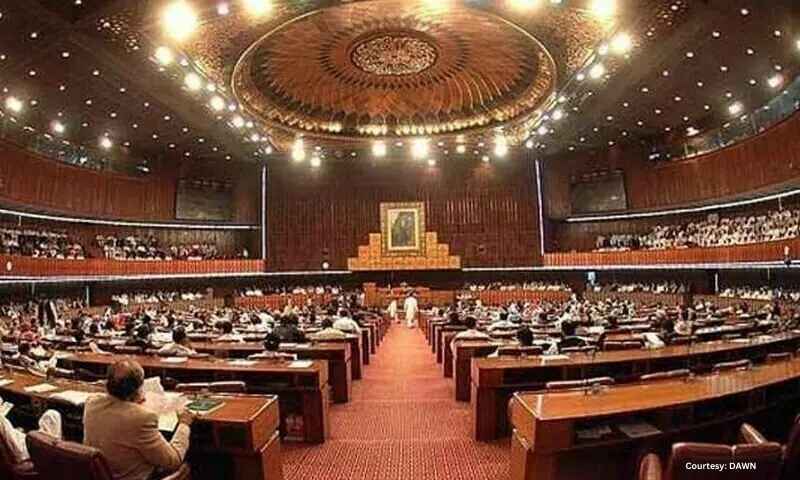
ISLAMABAD — The National Assembly on Tuesday passed a bill seeking amendments to the Elections Act aimed at tightening secrecy around the asset declarations of parliamentarians, triggering fresh debate over transparency and accountability in public office.
The legislation proposes restricting public access to the financial details submitted by lawmakers, arguing that increased privacy protections are necessary to prevent misuse of personal data. Government members defended the move, saying elected representatives have faced harassment and security risks due to the public disclosure of sensitive financial information.
According to supporters of the bill, the amendments are designed to strike a balance between accountability and personal safety, allowing election authorities and relevant oversight bodies continued access to asset records while limiting broader public dissemination.
Opposition Raises Transparency Concerns
Opposition lawmakers, however, strongly objected to the bill, warning that reduced transparency could undermine democratic oversight. They argued that public access to asset declarations is a cornerstone of accountability and plays a crucial role in exposing potential conflicts of interest and unexplained wealth.
Several opposition members questioned the timing of the legislation, suggesting it could weaken anti-corruption mechanisms and erode public trust in elected institutions.
What the Amendments Propose
Under the proposed changes, asset declarations would still be submitted to election authorities but would no longer be easily accessible to the general public. Any release of such information would require formal approval or justification under defined legal parameters.
Legal experts note that while privacy rights are important, any dilution of transparency standards could face constitutional challenges, particularly if the amendments are perceived to conflict with the public’s right to information.
Next Steps
The bill will now move to the Senate for consideration. If passed, it will require presidential assent before becoming law. Observers expect intense debate in the upper house, where concerns over governance reforms and democratic accountability are likely to dominate discussions.
As the issue unfolds, civil society groups and watchdog organisations are expected to closely monitor the legislative process, calling for safeguards to ensure transparency is not compromised in the name of privacy.
This story has been reported by PakTribune. All rights reserved.