


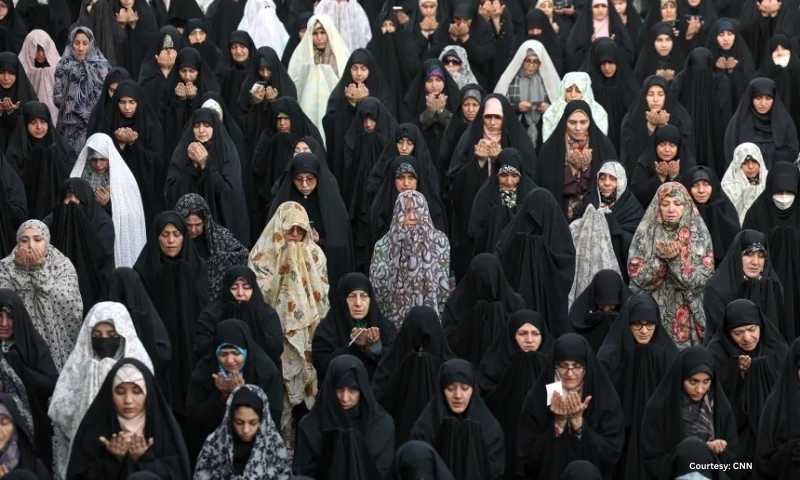
Tehran — Iran is facing a wave of public defiance and economic distress as protests, social resistance and financial turmoil converge, placing unprecedented pressure on the country’s aging leadership and exposing deep cracks in the system that has governed the Islamic Republic for decades.
In recent weeks, scenes of quiet but symbolic rebellion have surfaced across the country. Women participating in a public marathon on the resort island of Kish openly ignored mandatory dress codes, while viral street performances in the capital reflected a growing willingness among citizens — particularly the youth — to challenge long‑standing restrictions.
Economic frustration has since spilled onto the streets. Shopkeepers and traders in major cities staged demonstrations after the national currency fell to record lows, leaving many unable to cover rent and basic expenses. Observers say these demonstrations mark the most significant unrest since nationwide protests erupted in 2022 following the death of a young woman in police custody.
Economy Under Severe Strain
Iran’s economic woes have deepened as inflation surges, unemployment rises and essential services falter. Power shortages have resulted in rolling electricity blackouts, while water scarcity continues to plague major urban centers. In an effort to maintain energy supplies during winter, authorities have turned to lower‑grade fuel, worsening air pollution and smog across cities.
The combination of a collapsing currency and rising living costs has left much of the population disillusioned, with confidence in state institutions eroding steadily.
A Familiar Strategy Amid New Pressures
At the center of the storm is the country’s Supreme Leader, now in the later years of his life, relying on long‑standing strategies as crises multiply. Analysts note that rather than introducing sweeping reforms or policy shifts, the leadership appears focused on endurance — strengthening military capabilities, maintaining regional influence, and resisting external pressure.
This approach mirrors tactics used during earlier periods of isolation and conflict, including the aftermath of the 1979 revolution and the prolonged war with Iraq. However, critics argue that the current challenges are fundamentally different, driven by internal discontent rather than external invasion.
Domestic Fractures and External Tensions
Iran’s political landscape remains deeply divided. Hardliners advocate a return to strict ideological governance, reformists call for systemic change, while a growing segment of the population seeks any shift away from the current situation.
Meanwhile, tensions beyond Iran’s borders continue to simmer, with regional rivals and international actors closely watching developments. Statements from foreign leaders have heightened concerns of renewed confrontation, further complicating Iran’s fragile position.
As protests simmer and economic pressures mount, Iran’s leadership appears locked into a cautious waiting game — one that may test the limits of a system built on resilience, control and survival.
This story has been reported by PakTribune. All rights reserved.