


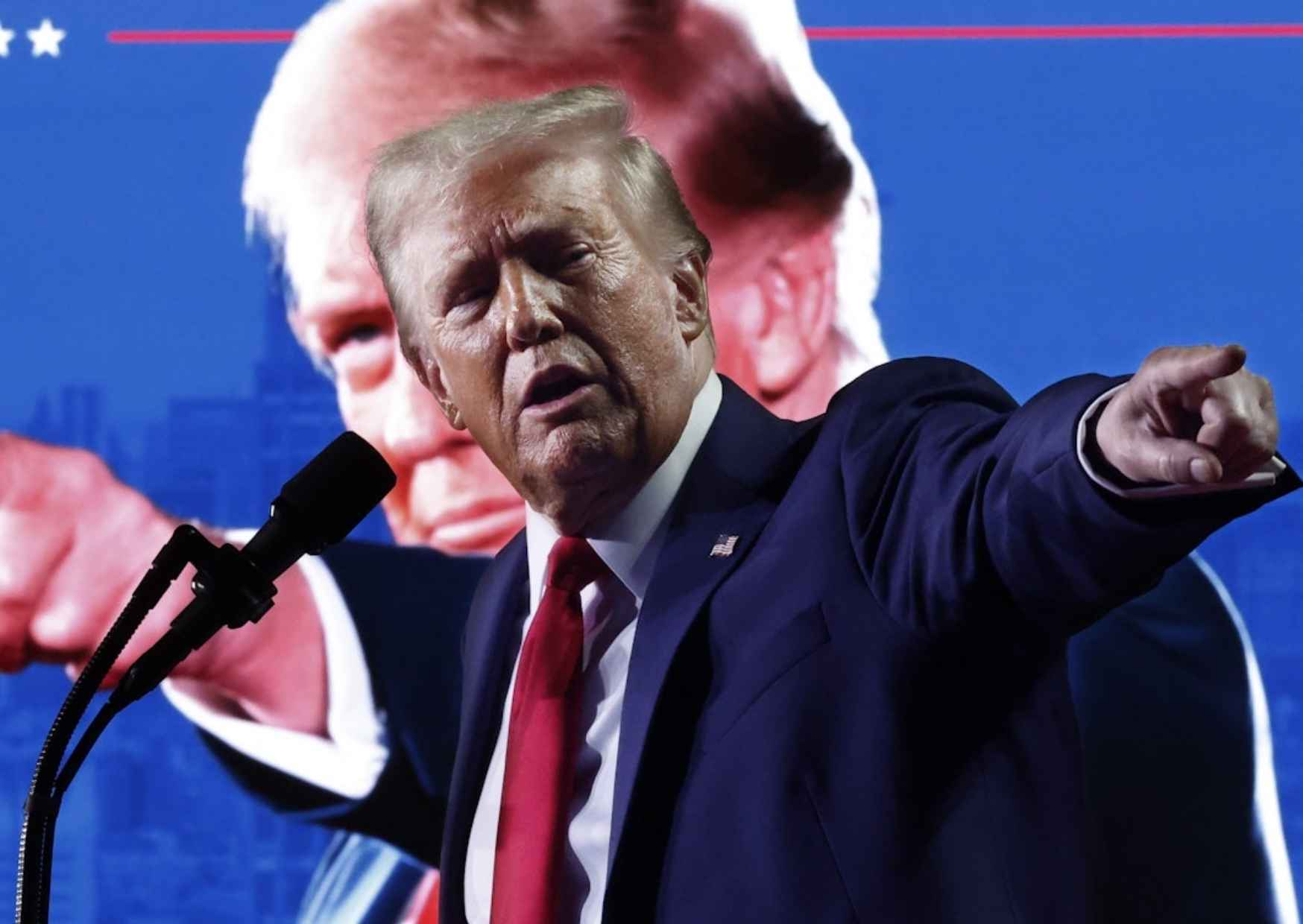
Washington, United States – A fresh wave of concern has gripped global observers as reports emerge of a significant United States military build-up towards the Middle East, an escalation described by former US president Donald Trump himself as an “armada.” While Washington maintains that the deployment is precautionary in nature, critics warn that such posturing risks deepening instability in an already volatile region.
According to international observers, the movement of advanced naval assets, including warships and fighter jets, signals more than routine defence planning. The timing of the deployment, amid heightened tensions with Iran, has raised questions about whether the show of force is intended as a deterrent or a pressure tactic aimed at reshaping regional dynamics through intimidation rather than diplomacy.
Officials in Washington have repeatedly insisted that there is no immediate intention to trigger conflict. However, analysts argue that history has shown how large-scale military manoeuvres can easily spiral beyond control, especially in regions where mistrust runs deep and communication channels remain fragile. Even a minor miscalculation, they warn, could ignite a chain of events with far-reaching consequences.
The situation is further complicated by sharp rhetoric from Tehran, with Iranian leaders cautioning that any direct attack would be met with a forceful response. Such statements underscore the fragile balance in the region, where military signals are often interpreted as hostile acts rather than preventive measures. The growing presence of US forces has therefore intensified fears of an accidental clash that could quickly escalate into a wider confrontation.
Beyond immediate military concerns, analysts point to a broader pattern in US foreign policy, where shifting justifications — ranging from nuclear compliance to regional influence and human rights — have been used to sustain pressure on Iran. Critics argue that this lack of a consistent diplomatic framework undermines long-term stability and fuels uncertainty among allies and adversaries alike.
Regional stakeholders, including countries with close economic and strategic ties to the Middle East, are watching developments closely. Diplomats stress that dialogue and confidence-building measures remain essential to defusing tensions, warning that reliance on military power alone risks inflaming rather than resolving disputes.
As global attention remains fixed on the unfolding situation, the question persists: is the so-called American armada a calculated display of strength meant to deter conflict, or a risky move that could push the region closer to crisis? For now, the world waits, wary of what the next move might bring.
This story has been reported by PakTribune. All rights reserved.