


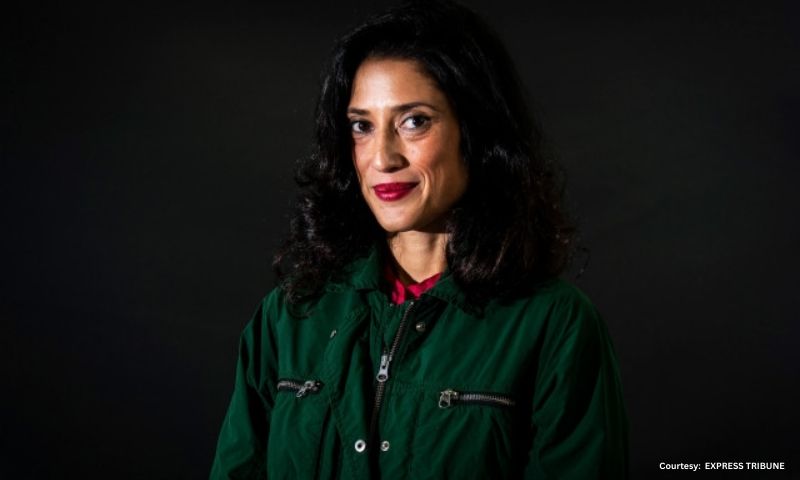
Writer and public intellectual Fatima Bhutto has turned inward in her latest memoir, All, tracing a journey that moves from the turbulence of Pakistan’s political landscape to the deeply personal trauma that has shaped her life.
In the book, Bhutto reflects on growing up within one of the country’s most prominent political families, offering an intimate account of how public power, legacy, and controversy intersected with private grief. She revisits moments of political drama that unfolded under intense public scrutiny, while also confronting the emotional toll of loss, displacement, and unresolved questions that followed her family for decades.
The memoir goes beyond politics, delving into themes of identity, memory, and survival. Bhutto writes candidly about navigating life in the shadow of history, where personal experiences are often overshadowed by national narratives. Through personal anecdotes and reflection, she explores how trauma is inherited, processed, and, at times, resisted.
Critics have noted that All stands apart from conventional political memoirs, favouring emotional honesty over grand narratives. Rather than offering definitive answers, the book raises difficult questions about truth, belonging, and the cost of living within a legacy marked by violence and power.
Readers have responded to the memoir’s raw tone, describing it as both unsettling and deeply human. Analysts say the work adds a new dimension to Bhutto’s literary voice, positioning the memoir as a reflection not just on one family’s history, but on the broader scars left by political conflict.
With All, Fatima Bhutto invites readers to reconsider the line between the personal and the political, showing how the two remain inseparable in lives shaped by history.
This story has been reported by PakTribune. All rights reserved.