


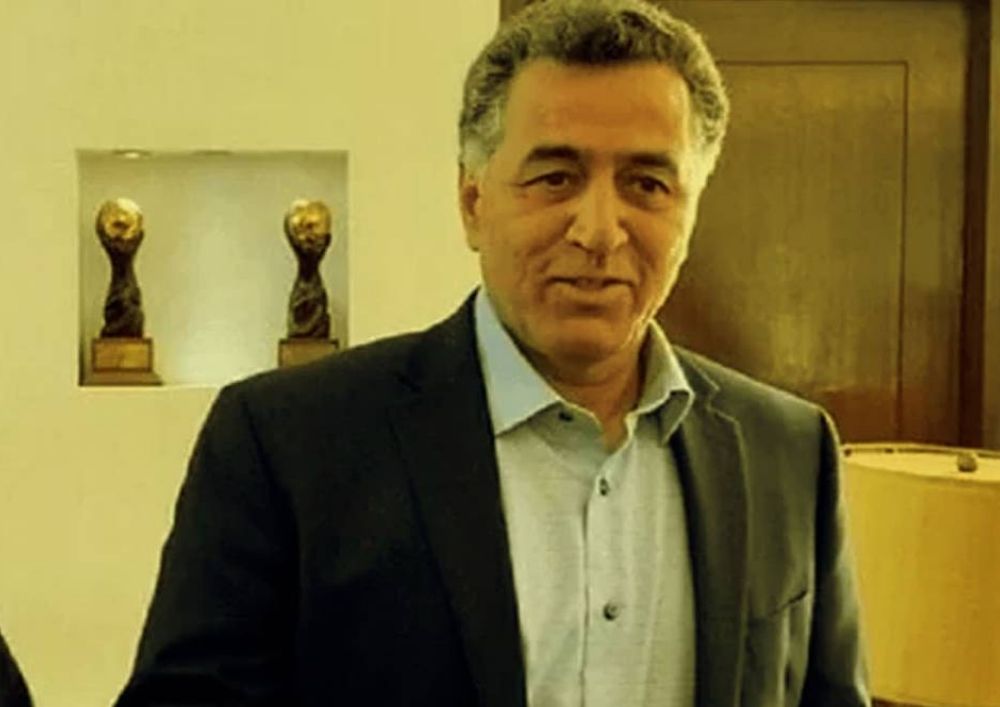
Islamabad – The dramatic fall of former ISI chief Lt Gen (retd) Faiz Hameed has become one of the most striking cautionary tales in Pakistan’s recent history, underscoring how unchecked ambition and prolonged overreach can undo even the most powerful figures.
Once regarded as a central power broker within the country’s security and political landscape, Faiz Hameed’s influence extended far beyond the conventional boundaries of intelligence work. His name became synonymous with behind-the-scenes manoeuvring, political engineering and an assertive role in shaping outcomes — a stature few intelligence chiefs before him had publicly attained.
Analysts say the problem was not ambition itself, but the inability to recognise limits. As his visibility and involvement in political affairs grew, so did criticism that institutional boundaries were being tested, if not crossed. What began as influence gradually appeared, to many observers, as overconfidence — and eventually, as liability.
The former spymaster’s downfall, culminating in a military court conviction, has reopened debate over power, accountability and restraint within state institutions. Commentators argue that his trajectory illustrates a familiar pattern in Pakistan: individuals who mistake proximity to power for permanence, and authority for immunity.
Critics maintain that Faiz Hameed failed to retreat at a critical juncture, choosing instead to remain deeply entangled in political developments even after his influence began to wane. That refusal to step back, analysts say, ultimately left him exposed — both institutionally and legally.
Supporters of accountability view the episode as a rare moment of internal reckoning, while skeptics caution that isolated cases do not necessarily signal systemic reform. Still, the symbolism is difficult to ignore. A figure once perceived as untouchable now stands as an example of how swiftly fortunes can reverse when power is overstretched.
Beyond the individual, the episode carries broader implications. It highlights the risks of personalised power, the erosion of institutional discipline and the dangers of confusing strategic influence with absolute control.
As Pakistan continues to grapple with questions of governance, civil-military balance and democratic stability, the Faiz Hameed saga serves as a stark reminder: in systems built on institutions rather than individuals, knowing when to stop can be just as important as knowing how to rise.
This story has been reported by PakTribune. All rights reserved.