


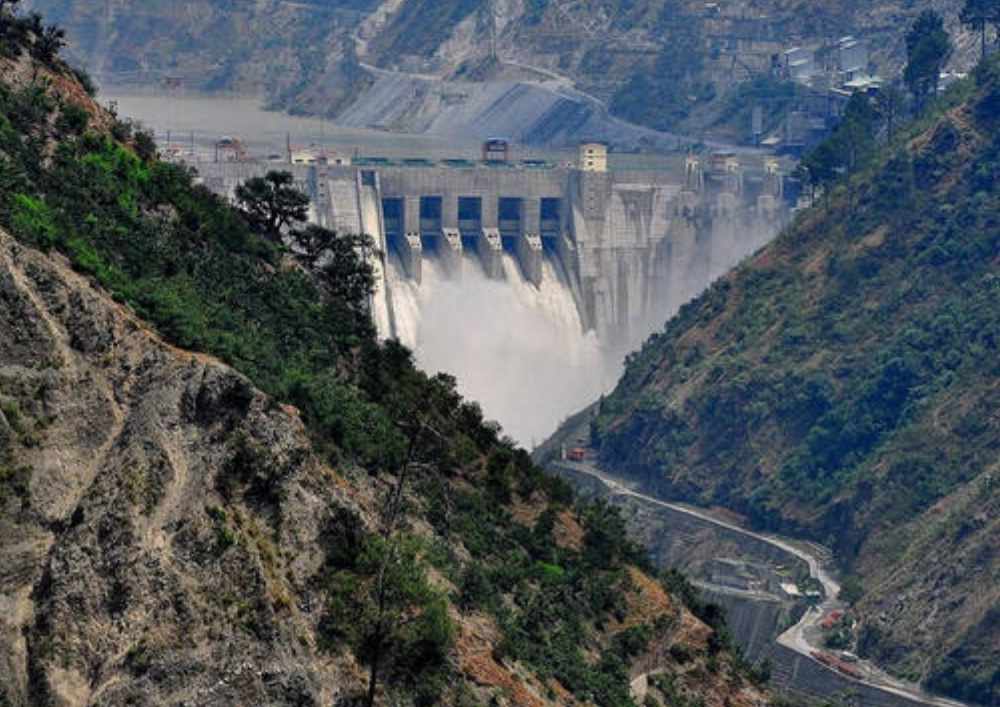
Islamabad, Pakistan — A leading national daily has raised serious concerns over India’s accelerated construction of hydropower projects on rivers governed by the Indus Waters Treaty (IWT), warning that the moves appear to go beyond energy needs and point towards strategic intent that could threaten Pakistan’s water security. The editorial argues that recent developments suggest a troubling pattern that risks undermining one of the region’s most critical water-sharing agreements.
According to the commentary, India’s decision to fast-track projects such as Dulhasti Stage-II on the Chenab River and revive long-delayed schemes like Sawalkote has reignited fears in Pakistan that shared water resources are being increasingly politicised. These steps come amid heightened regional tensions and are seen by analysts as part of a broader attempt to exert control over downstream water flows.
The editorial highlights that disruptions in the flow of the Chenab and delays in sharing key hydrological data have already had serious consequences for Pakistan, including increased flood risks and challenges for agricultural planning. Experts warn that the lack of transparency and coordination violates both the spirit and technical framework of the Indus Waters Treaty, which has historically helped prevent water disputes between the two neighbours.
Concerns have also been raised over the design features of some Indian hydropower projects, particularly those involving gated spillways. Critics argue that such infrastructure could allow upstream manipulation of water releases, potentially causing artificial shortages during critical sowing seasons or sudden flooding downstream, deepening mistrust and instability in an already fragile relationship.
Beyond political and legal implications, the editorial underscores the environmental risks of aggressive dam construction in the Chenab basin, a region increasingly vulnerable to climate change. With Himalayan glaciers shrinking rapidly, experts caution that unchecked hydropower expansion could accelerate ecological degradation and threaten long-term water availability for millions on both sides of the border.
Former climate leaders and policy experts have warned that the weaponisation of water resources in a climate-stressed region is both dangerous and irresponsible. The editorial urges international stakeholders to take note of the situation and calls for renewed diplomatic engagement to ensure that treaty obligations are respected and water is not used as a tool of coercion.
As Pakistan continues to voice its concerns at diplomatic and legal forums, observers say the issue highlights the urgent need for cooperation, transparency and climate-sensitive planning to prevent water from becoming another flashpoint in an already tense region.
This story has been reported by PakTribune. All rights reserved.