


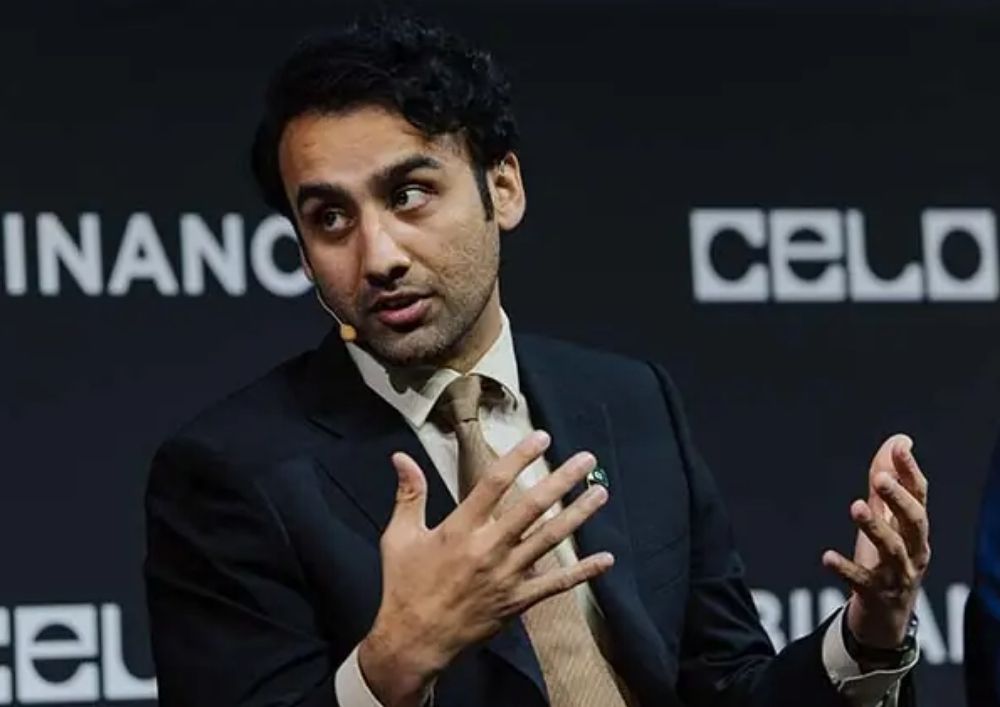
Islamabad – At the recent Bitcoin MENA Conference, experts highlighted that Bitcoin is no longer just a theoretical concept for Pakistan but a practical tool that could help address the country’s ongoing economic challenges. The discussion focused on how digital assets can provide relief to citizens grappling with currency devaluation, limited banking access, and expensive international payments.
Bilal Bin Saqib, one of the keynote speakers, emphasized that for ordinary Pakistanis, Bitcoin represents tangible financial security rather than a speculative investment. With the Pakistani rupee losing significant value over recent years, citizens are increasingly looking for ways to protect their savings. “You don’t need a lecture — you need a hedge,” Saqib remarked, underlining the urgent need for alternative financial tools.
Another key advantage, Saqib noted, lies in financial inclusion. Over 100 million Pakistanis remain unbanked, often excluded from traditional financial systems. Bitcoin, being digital, permissionless, and borderless, offers a way for these individuals to access financial services and participate in the economy on equal footing.
The potential for streamlining global payments and remittances was also highlighted. Pakistan’s vast freelancing community and diaspora face delays and high fees with conventional banking systems. Blockchain-based transactions and Bitcoin payments could enable faster, low-cost transfers, empowering small businesses and individuals alike.
Looking forward, Pakistan has shown signs of embracing the digital asset ecosystem more formally. Government initiatives aim to regulate crypto, license exchanges, encourage mining through surplus-energy programs, and establish frameworks to integrate digital currencies into the economy. Experts see these measures as foundational steps toward using Bitcoin as a legitimate economic tool rather than just a speculative asset.
However, challenges remain. Skeptics warn that without clear regulations, consumer protections, and transparency in mining and asset holding, the benefits of Bitcoin could be undermined. Ensuring proper implementation will be critical to prevent volatility and safeguard users.
For many Pakistanis, weary of currency depreciation, limited banking facilities, and slow remittances, Bitcoin represents more than an investment — it could become a pathway to financial empowerment and stability. The coming months will be crucial in determining whether this digital asset can live up to its promise in the country.
This story has been reported by PakTribune. All rights reserved.