


Renewed fighting has erupted along the Thailand–Cambodia border, with both sides blaming each other for attacks on civilian areas and military positions. According to reports, the clashes have involved heavy weapons — rockets, drones, and possibly air-strikes — causing both civilian and military casualties. Evacuations are underway, and panic has gripped border communities as people flee their homes seeking safety.
The fragile peace deal that had been signed only weeks ago—under the watchful eye of international figures, including Donald Trump—appeared to bring hope. But that hope has now been shattered, casting doubt on whether diplomacy alone can tame decades-long animosities.
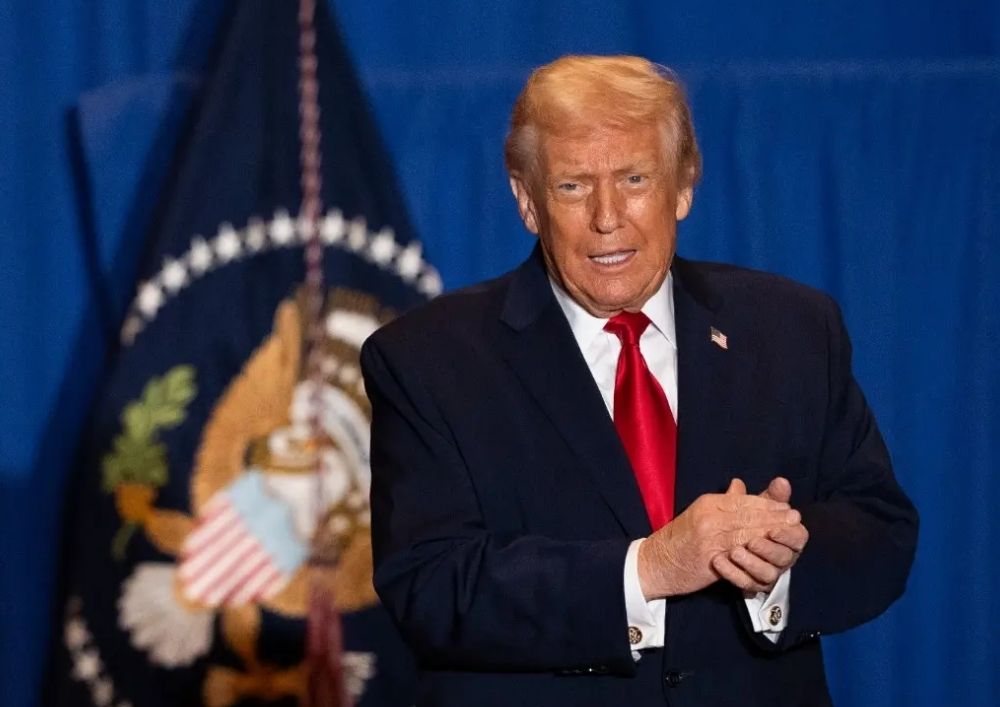
With tensions flaring again, Trump has promised to intervene — “I’ll make a phone call,” he said — urging both Bangkok and Phnom Penh to heed the call for calm and avert further bloodshed. But skeptics warn that unless deeper issues like disputed borders and land-mines are addressed, phone calls may not be enough.
Civilians remain caught in the crossfire — families uprooted, homes abandoned, futures uncertain. The renewed surge in hostilities threatens to spiral into a humanitarian crisis, especially if fighting spreads or draws in more heavy weaponry.
Observers believe this flare-up proves that short-term deals — even when brokered by major powers — are not enough. Long-term peace will require serious diplomatic effort, trust building, and most of all, a clear, enforceable agreement over the contested border.
This story has been reported by PakTribune. All rights reserved.