


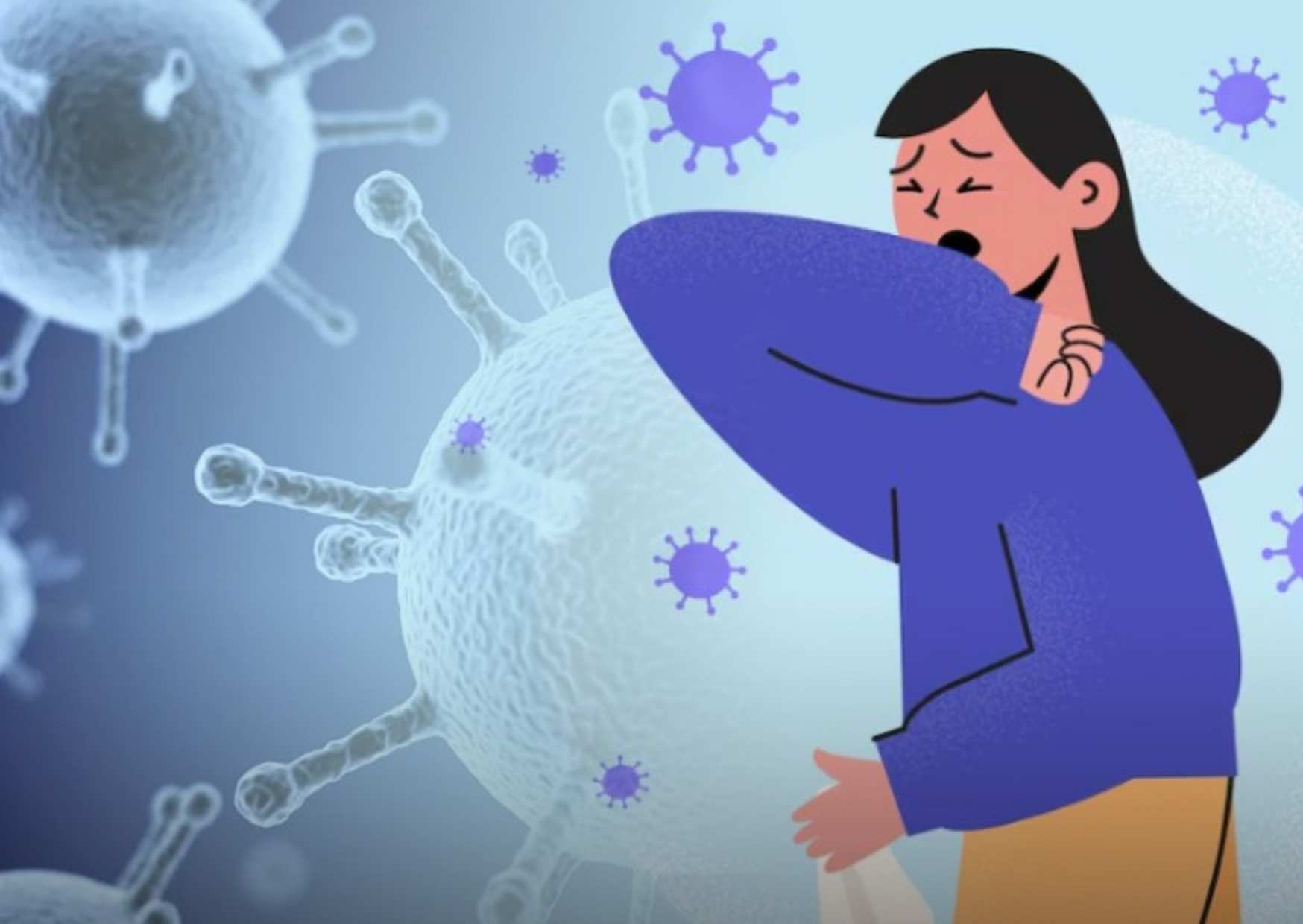
Recent studies have shown that during flu outbreaks, certain individuals can carry up to 10 million times more virus than others, making them potential “superspreaders” capable of infecting dozens of people, while most infected individuals pass the virus to only a few.
Understanding the Superspreader Phenomenon
Medical experts explain that superspreaders are not just a statistical anomaly. A combination of biological, environmental, and behavioral factors contributes to why some people release far more virus into the surroundings than others:
- Higher viral load: Some people naturally generate significantly more viral particles in their respiratory system, which are expelled through coughing, sneezing, or even normal breathing.
- Behavioral factors: Frequent social interactions, attending crowded places, or neglecting hygiene measures can dramatically increase transmission potential.
- Biological differences: Genetics, immune response, age, and pre-existing health conditions can affect how much virus a person produces and how long they remain infectious.
Dr Ayesha Khan, an infectious disease specialist, says, “Even one person with an exceptionally high viral load can trigger a chain of infections that spreads rapidly through a community, particularly in densely populated areas.”
Implications for Public Health
Superspreaders play a crucial role in accelerating epidemics. Understanding who they are and how they transmit the virus can help authorities implement targeted interventions. Measures such as early detection, isolation, and vaccination campaigns are essential to curb the impact of these high-transmission individuals.
Public health officials warn that Pakistan’s urban centers, with their high population density, are particularly vulnerable during flu season. Schools, markets, and workplaces can become hotspots if superspreaders are not identified or precautions are ignored.
How You Can Reduce Your Risk
While it may be impossible to know if you are a superspreader, health experts recommend practical steps to protect yourself and others:
- Maintain good respiratory hygiene, including covering coughs and sneezes.
- Stay home when feeling sick to avoid exposing others.
- Practice frequent handwashing and sanitization.
- Get seasonal flu vaccinations to reduce your risk of infection and limit virus transmission.
Superspreading underscores an important public health lesson: individual behavior can have wide-reaching consequences. Even a single person with a high viral load can dramatically affect community transmission if proper precautions are not observed.
As flu season approaches, understanding the role of superspreaders is key to preventing outbreaks and protecting vulnerable populations, from children to the elderly.
This story has been reported by PakTribune. All rights reserved.