


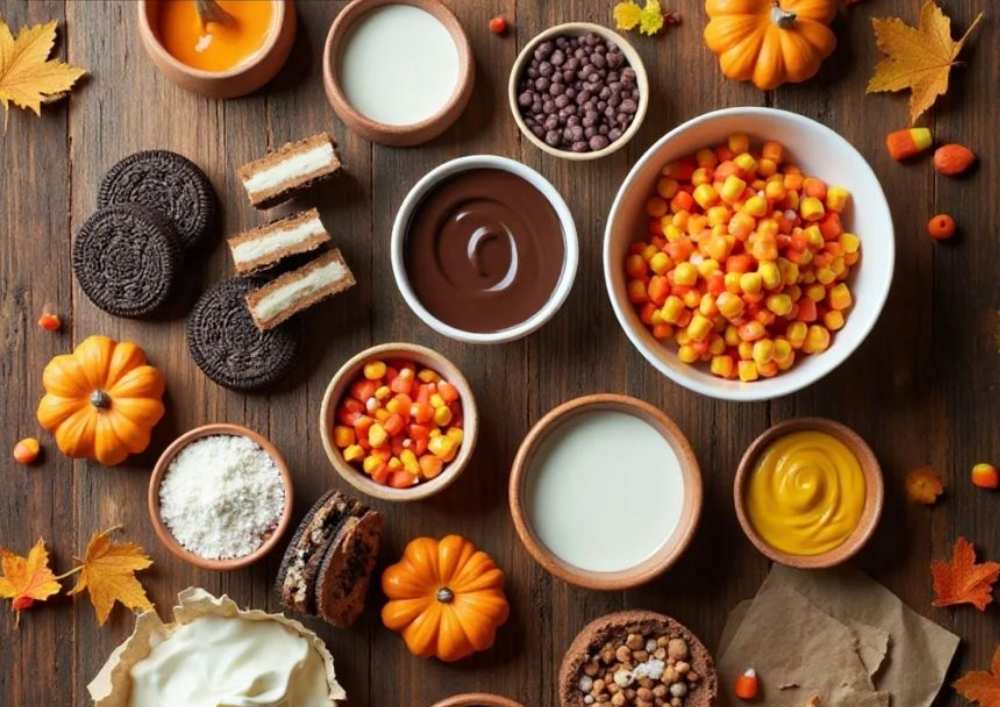
NEW YORK, United States — A growing wave of artificial intelligence–generated food content is quietly undermining trust in online recipes, leaving even experienced home bakers frustrated by instructions that look flawless on screen but fail in real kitchens.
What appears to be a harmless scroll through visually appealing desserts often leads users to polished food blogs promising simplicity and guaranteed success. In reality, many of these recipes are never tested, created instead by AI systems designed to imitate real chefs while prioritising clicks over accuracy.
Illusion of Authenticity
These websites frequently feature convincing personal backstories, professional-sounding credentials, and glowing testimonials. However, food experts say such details are often fabricated, supported by stock images and automated writing tools rather than real culinary experience.
Attempts to contact site owners commonly lead nowhere, reinforcing concerns that entire digital personas are being manufactured to lend credibility to unreliable content.
Why the Recipes Fail
Unlike genuine food bloggers who repeatedly test and refine instructions, AI-generated recipes are built by analysing patterns from thousands of sources. This process can overlook practical realities such as ingredient proportions, texture changes, or structural feasibility — critical elements in baking.
The result is instructions that seem logical on paper but collapse during execution, particularly in precision-heavy recipes.
A Profitable Problem
Industry analysts warn that these sites are part of a broader monetisation scheme. Even low-quality or misleading content can generate steady income through advertising if users spend time scrolling, troubleshooting, or retrying failed recipes.
At scale, a single operator can run hundreds of such sites simultaneously, producing more content in hours than traditional creators can in years.
Impact on Real Creators
Longtime food bloggers say AI-generated sites are siphoning traffic from legitimate creators by mimicking their tone, layout, and presentation. Some warn that search engines and social platforms are amplifying the problem by ranking visually appealing but unverified content higher than trusted sources.
This shift, they argue, threatens the sustainability of honest recipe development.
Platforms Play Catch-Up
Technology companies have begun introducing tools to label or limit AI-generated material, but critics say these measures remain inconsistent and difficult for users to rely on. As the volume of automated content grows, distinguishing between genuine expertise and digital fabrication has become increasingly challenging.
Back to Basics
For many cooks, the experience has prompted a return to traditional cookbooks and established culinary authorities — sources that may lack viral appeal but offer reliability.
As artificial intelligence continues to reshape online spaces, the kitchen serves as a reminder that some skills still demand human testing, judgment, and trust.
This story has been reported by PakTribune. All rights reserved.