


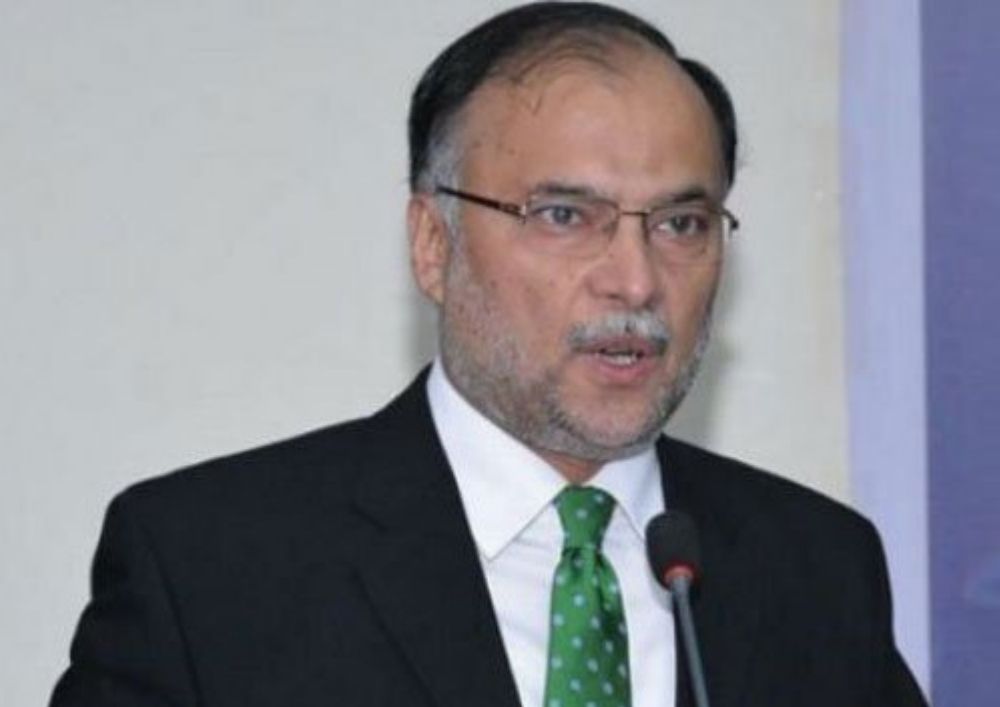
Islamabad — Federal Minister for Planning, Development and Special Initiatives, Ahsan Iqbal, has emphasised the urgent need for evidence-based policymaking to drive meaningful reforms in Pakistan’s education system and broader development agenda. He said that policies grounded in credible research and reliable data are essential for ensuring effective governance and tangible results.
Addressing the Data and Research in Education – Research Consortium (DARE-RC) International Education Summit at Allama Iqbal Open University (AIOU), the minister underlined that without robust evidence, even well-intentioned initiatives risk falling short of their objectives. “We need to prioritise evidence-based decision-making to ensure that our education system meets the real needs of our children and youth,” he stated, stressing that data-driven strategies are crucial for sustainable progress.
The summit brought together senior policymakers, researchers, and education experts from national and international institutions. British High Commissioner Jane Marriott highlighted that Pakistan’s children, particularly the most marginalised, require effective education strategies backed by research to achieve their full potential. “Only strong schooling, competent teaching, and evidence-based policies can ensure meaningful learning outcomes,” she noted.
A key focus of the event was strengthening collaboration between researchers, policymakers, and practitioners to ensure that education policies respond to ground realities. Abdur Rauf Khan, Country Director of Oxford Policy Management Pakistan, said that DARE-RC provides a unique platform for knowledge exchange and informed decision-making that can transform education delivery across the country.
Dr Ehtasham Anwar, Team Lead of DARE-RC, added that the summit created an opportunity to discuss challenges and opportunities in Pakistan’s education sector and reaffirmed the consortium’s commitment to supporting the government with evidence-led solutions.
Minister Iqbal also highlighted that evidence-based policymaking is not limited to education, but is equally vital for health, economic planning, and overall national development. Aligning policies with empirical data, he noted, enhances accountability, ensures efficient use of resources, and delivers measurable benefits to citizens.
With Pakistan facing complex challenges related to demographic growth, educational access, and socio-economic development, the minister’s call for research-driven policy frameworks reflects a strategic effort to modernise governance and foster a results-oriented approach in national development.
This story has been reported by PakTribune. All rights reserved.